Threat intelligence explained in plain terms means the knowledge defenders gather about attackers, their methods, their tools, and their targets, so that an organisation can prepare before an attack arrives. The central question is how you defend against enemies you cannot see, and the short answer is that you study what they have done before, look for the signs they leave, and share what you learn with others facing the same threat.
Think of a neighbourhood watch. One house is burgled, and the neighbours learn how the burglar got in, what they took, and what time they came. Every house then checks its own locks, lights, and alarms against that method. Threat intelligence is that idea applied to computer networks, with the reports, indicators, and warnings passed between defenders at speed.
It has grown from a niche practice into a core part of security. Attackers reuse their tools and techniques, which means yesterday’s attack on someone else is often tomorrow’s attack on you. Knowing what to look for is frequently the difference between stopping an intrusion early and discovering it months later.
Key takeaways
- Threat intelligence is analysed knowledge about attackers, not just raw data.
- It covers who attacks, how they work, what tools they use, and who they target.
- Indicators such as malicious addresses and file fingerprints help defenders spot attacks.
- It works at strategic, operational, and tactical levels, for different audiences.
- Sharing intelligence between organisations makes every defender stronger.
What threat intelligence is
Threat intelligence is information about threats that has been collected, analysed, and put into a form someone can act on. That last part matters: a pile of suspicious addresses is data, while a report explaining which group uses those addresses, what it wants, and how it breaks in is intelligence. The difference is context and judgement.
It is usually described in three levels. Strategic intelligence is for leaders, and it answers broad questions: which threats matter most to us, and how should we spend our effort? Operational intelligence is for security teams planning their defence, and it covers the campaigns and groups active against organisations like theirs. Tactical intelligence is for the tools and analysts on the front line, and it consists of concrete indicators: malicious addresses, domains, and file fingerprints to watch for and block.
The sources are many. Security companies publish research, governments issue warnings, open communities share observations, and an organisation’s own logs and incidents provide the most relevant intelligence of all. Good programmes combine outside knowledge with what they see in their own networks.
How threat intelligence works
The work follows a cycle. First, defenders decide what they need to know: which assets matter, which attackers are likely to target them, and which questions would change a decision. That planning keeps the effort focused, because the volume of available information is overwhelming.
Next comes collection, from many sources at once: security feeds, public reports, dark web monitoring, and the organisation’s own detection systems. The raw material is then processed and analysed, which means checking it, connecting it to known attacker behaviour, and judging how reliable it is. A single report is treated with caution; a pattern across several sources is treated seriously.
The result is then shared with the people who need it, in a form they can use. Analysts receive indicators to feed into their detection tools, managers receive briefings on the threats that matter, and other organisations may receive warnings through sharing communities. Our guide to network security explains the defences that this intelligence helps to aim and tune.
Finally, defenders act, and the results feed back into the next round. If an indicator stops an attack, that confirms its value. If a predicted threat never arrives, the assessment is revised. Intelligence is a loop, not a one-time report.
Automation does much of the heavy lifting. Detection tools ingest indicators automatically, blocking known malicious addresses and flagging suspicious files without a human reading each one. Analysts then spend their time on the cases machines cannot judge: a new pattern, a report that contradicts others, or an alert that looks routine but does not quite fit. The partnership between automated feeds and human judgement is what makes the system work.
Comparing threat intelligence with raw security data
| Aspect | Raw security data | Threat intelligence |
|---|---|---|
| What it is | Logs, alerts, and feeds | Analysed, judged, and contextualised |
| Volume | Enormous, mostly noise | Filtered to what matters |
| Who uses it | Tools and analysts, directly | Leaders, teams, and tools |
| Answers | What happened | Who, how, why, and what next |
| Main risk | Overload and missed signals | Acting on poor or stale analysis |
Where threat intelligence is used
Large companies use it to prioritise their defence. Knowing which attacker groups target their industry, and which techniques those groups favour, lets them focus on the controls that matter, rather than trying to defend against everything equally. It turns security from guesswork into a set of reasoned choices.
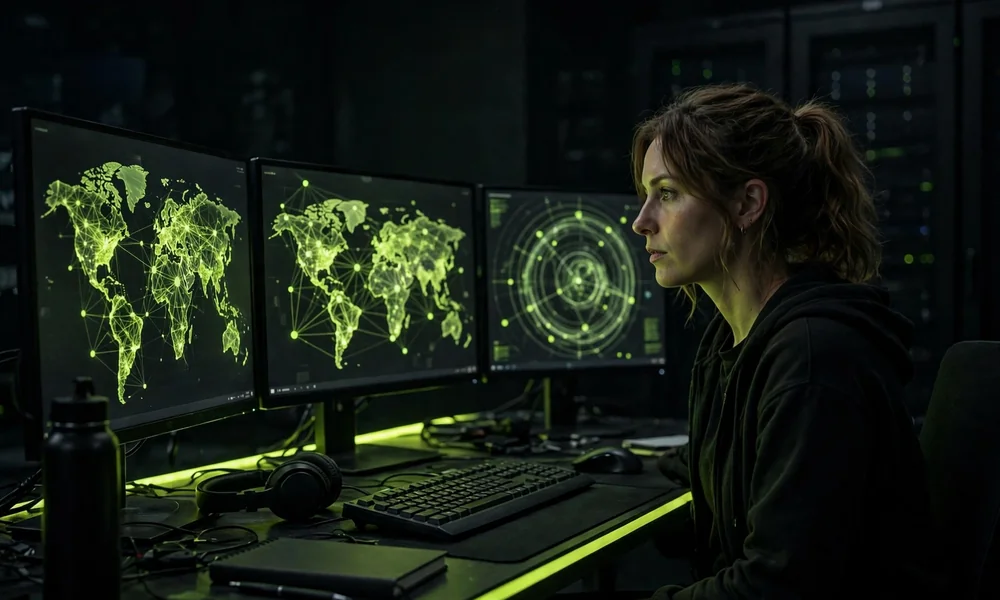
Security operations centres use tactical intelligence every day. Indicators feed into detection systems that watch for known malicious addresses and files, and analysts use context about attacker behaviour to judge whether an alert is a real intrusion or a false alarm. Our guide to API security covers one of the areas where that context matters, since the services behind an organisation are a common target.
Governments and industry groups use it at a larger scale, sharing warnings about campaigns that affect whole sectors. When one bank spots a new fraud technique, sharing that knowledge can protect every other bank before the attackers reach them.
Strengths and limits
The greatest strength of threat intelligence is that it makes defence proactive. Instead of waiting to be attacked and then reacting, a defender who knows what to look for can spot the early signs, block the tools, and close the gaps before damage is done. That shift from reaction to preparation is the whole point.
It also makes sharing possible. Attackers share tools and techniques freely, and defenders who share intelligence can match that speed. A warning issued by one organisation can protect thousands of others, which is a rare case where cooperation directly improves everyone’s safety.
But intelligence is only as good as its sources. Stale indicators waste time, false reports cause needless alarm, and attackers change their tools precisely to escape detection. Intelligence must be checked, refreshed, and retired when it no longer reflects reality.
It also has limits of scope. Intelligence describes known threats, while the most dangerous attack may be one nobody has seen before. A defender who relies only on intelligence will miss the novel attack, which is why good security combines intelligence with strong basic defences that work against any attacker.
Threat intelligence checklist
- Decide what you need to know before collecting anything.
- Combine outside intelligence with what your own logs show.
- Check the reliability of sources before acting on them.
- Feed indicators into detection tools, and remove them when they go stale.
- Share what you learn with trusted peers facing the same threats.
- Brief leaders on the threats that matter, in plain language.
- Test whether intelligence changed a decision; if not, it was noise.
- Keep basic defences strong, since intelligence cannot catch every new attack.
- Review and retire old intelligence regularly, or it becomes clutter.
Frequently asked questions
What is threat intelligence?
Threat intelligence is knowledge about attackers that has been collected, analysed, and put into a form defenders can act on. It covers who the attackers are, how they work, what tools they use, and who they target.
What is an indicator of compromise?
An indicator of compromise is a concrete sign of an attack, such as a malicious internet address, a suspicious domain, or the fingerprint of a harmful file. Defenders feed indicators into their tools to detect and block attacks that use them.
What is the difference between tactical and strategic intelligence?
Tactical intelligence is concrete and immediate, such as indicators to block today. Strategic intelligence is broad and long-term, such as which threats matter most to an organisation and how it should invest its effort.
Where does threat intelligence come from?
From security companies, government warnings, open communities, sharing groups, and an organisation’s own logs and incidents. The most useful intelligence usually combines outside knowledge with what a defender sees in their own network.
Is threat intelligence only for large companies?
No. Small organisations benefit too, often by using shared feeds and public warnings rather than building their own programmes. Even a small team can act on a warning about a campaign targeting its industry.
Can threat intelligence stop all attacks?
No. It improves defence against known threats, but it cannot predict entirely new attacks. It works best alongside strong basic defences, such as patching, access controls, and monitoring, which protect against any attacker.
The bottom line
Threat intelligence explained in one line is this: learning about attackers before they strike, so defence becomes preparation rather than reaction.
Collect with a purpose, check what you are told, share what you learn, and remember that intelligence is a tool for deciding, not a substitute for the defences themselves. The defenders who know their enemy are the ones who stop the attack early.