Multimodal AI explained simply is this: instead of handling only words, a multimodal model can take in text, images, audio and video together, and understand how they relate to each other. The central question is whether combining senses makes AI genuinely smarter or simply more impressive at demos, and the short answer is that it does both, opening real uses in medicine, accessibility and design, while still failing in ways that are harder to spot because the output looks so confident.
Human understanding is naturally multimodal: we read a chart while listening to a speaker, look at a photo while reading its caption, and watch a gesture while hearing the words that go with it. Until recently, AI worked one sense at a time, with separate models for text, images and speech. Multimodal models bring those senses together in one system, and that changes what AI can do. This guide explains how they work, where they help, and where they still mislead.
Key takeaways
- Multimodal AI processes text, images, audio and video in one model, not in separate tools.
- Combining senses helps in medicine, accessibility, design and anywhere context lives in more than words.
- These models can describe images, transcribe speech and reason across mixed inputs.
- They still hallucinate, and errors in one sense can quietly corrupt the whole answer.
- Testing must cover every input type, because a model can be strong in text and weak in images.
What multimodal AI actually means
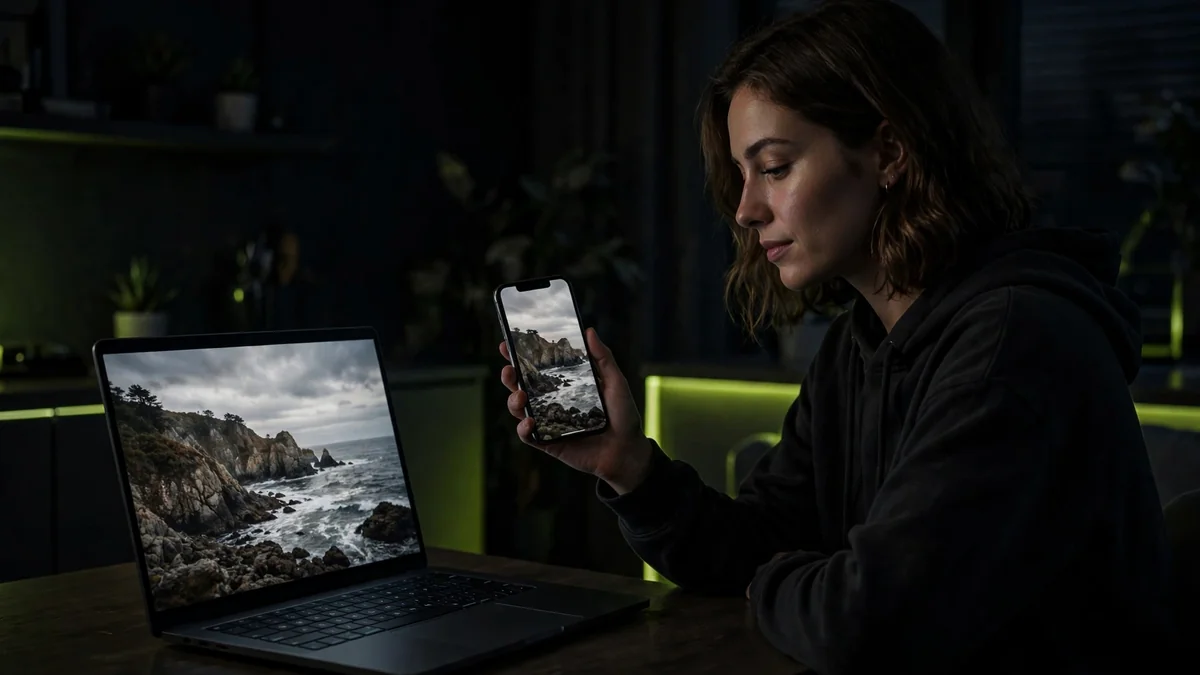
A multimodal model accepts more than one kind of input and can produce more than one kind of output. Show it a photograph and ask a question about it, play it a recording and ask for a summary, or give it a chart and ask what the data shows. The model represents each input in a shared internal form, so it can connect a word in your question to a region of an image or a moment in a recording.
The best-known examples arrived in the last few years. OpenAI released GPT-4o in May 2024, a model that handles text, images and audio natively, and Google built its Gemini family, first released in December 2023, to be multimodal from the start. Earlier systems such as CLIP, released by OpenAI in 2021, showed that a model could learn the relationship between images and their captions, and that idea now sits at the heart of most multimodal systems.
How the senses are combined
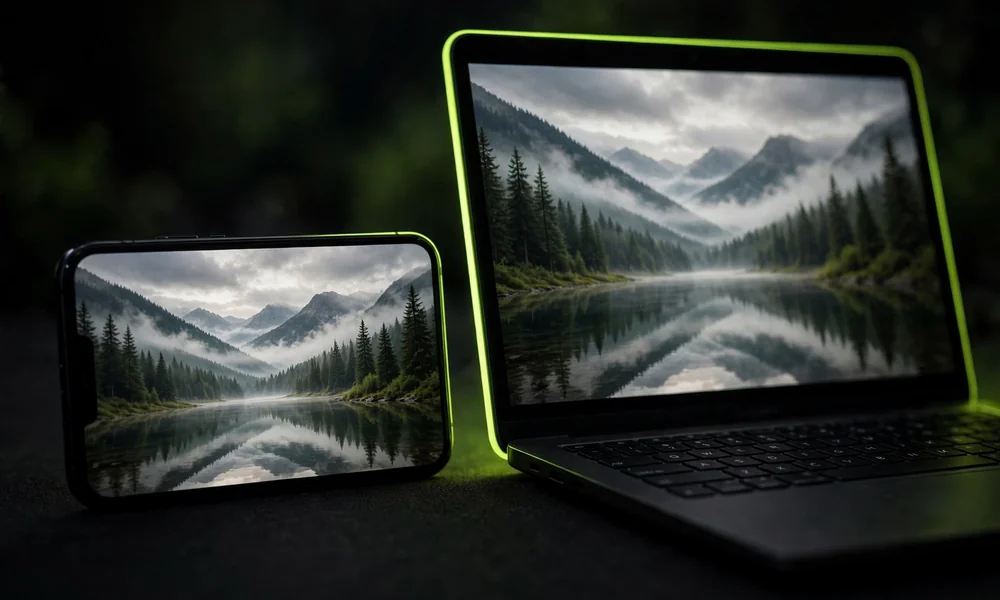
Each input type is first turned into numbers by a specialist encoder: one for images, one for audio, one for text. Those numbers are then mapped into a shared space where similar meanings sit close together, whatever sense they came from, so the word dog, a photo of a dog and the sound of a bark can all be recognised as related. The language model then reasons over that combined representation to produce its answer.
Training is what makes this work. Multimodal models learn from huge collections of paired data, such as images with captions, videos with transcripts and documents with diagrams. The quality of those pairings matters enormously: a model trained on clean, accurate pairs learns genuine connections, while one trained on noisy or biased pairs learns shortcuts that fail in the real world. Our guide to vector databases explains how these shared representations are stored and searched.
The limits come from the same design. A model can be excellent at reading text and mediocre at reading charts, or strong on photographs and weak on handwriting, and users rarely know which. That unevenness is why testing should cover each sense separately, and why an answer that mixes senses should be checked against the original input, not just read for fluency.
Where multimodal AI works today
Accessibility is the most important use. A model that can describe an image in words helps a blind person understand a photograph, a diagram or a menu, and one that can turn speech into text and text into speech helps people communicate across barriers that used to be fixed. These uses matter because they give people independence, and they are also where accuracy matters most, since a wrong description of a medicine label or a street sign can cause real harm.
Medicine is the second use. Doctors combine scans, lab results, notes and spoken observations every day, and multimodal models can help by reading a scan alongside the patient’s history and flagging what deserves a closer look. The model does not diagnose on its own, and it should not, but it can make sure nothing obvious is missed and that the specialist’s time is spent on the hardest cases. Our guide to AI in healthcare covers how these tools are used in hospitals and clinics.
Design, media and everyday work are the third use. A model that can look at a sketch and turn it into a layout, read a whiteboard and turn it into notes, or watch a video and summarise it saves hours of manual work. For most people this is where multimodal AI first appears, and it is also where its mistakes are easiest to forgive, since a wrong summary of a meeting is annoying rather than dangerous.
Comparing the main multimodal capabilities
| Capability | Main benefit | Main risk | Best for |
|---|---|---|---|
| Image understanding | Describes and reasons about photos | Confident errors about small details | Accessibility and visual search |
| Speech and audio | Transcribes and summarises speech | Mishears names, numbers and accents | Meetings and voice notes |
| Video understanding | Summarises long recordings fast | Misses brief or subtle moments | Training videos and lectures |
| Chart and document reading | Extracts data from visuals | Misreads axes, labels and units | Reports and invoices |
| Cross-modal search | Finds images with words, and words with images | Matches by style instead of meaning | Media libraries and archives |
The risks: hallucination across senses
Hallucination is the sharpest risk, and it is worse in multimodal models because an error can hide behind fluency. A model that describes a photograph may invent a detail that is not there, read a chart’s axis wrong, or transcribe a number incorrectly, and present all of it in polished language that sounds certain. The more senses involved, the more places there are for a small error to enter and a large error to leave.
Bias is the second risk. Training data for images and audio is uneven, with some people, places and accents represented far more than others. A model may describe people differently depending on who they are, transcribe some accents far worse than others, or fail to recognise objects and scenes from cultures that are under-represented in its training data. Testing should deliberately include the people and situations the training data is most likely to have missed.
Privacy is the third risk. A model that can read images and listen to audio can also extract information people did not mean to share: a reflection in a window, a document on a desk, a voice in the background. Teams that feed images and recordings into AI tools should check what else is in the frame, and treat multimodal inputs with the same care as any other sensitive data.
What good practice looks like
Good practice starts with checking the answer against the source. If a model describes an image, look at the image; if it summarises a recording, spot-check the transcript; if it reads a chart, verify the numbers it reports. That habit catches most errors, and it matters most in medicine, finance and safety, where a wrong detail has consequences.
Testing is the second pillar. Test each sense separately, with images, audio and video from the real situations the model will face, including poor lighting, background noise, handwriting and unusual accents. A model that passes a text test and fails an image test is not ready for work that mixes both.
Human review is the third pillar. Multimodal output that affects a person, a patient, a customer or a decision should be reviewed by someone who can see the original input. The model should help experts work faster, not replace their judgement, and the person who signs off should understand what the model did before they sign.
Multimodal AI checklist
- Check every answer against the original image, recording or document, not just for fluency.
- Test each input type separately, including poor quality, noise and unusual accents.
- Be extra careful with numbers, names and labels, which models misread most often.
- Include under-represented people, places and cultures in testing.
- Check what else is visible or audible in an input before sending it to a model.
- Keep a human in charge of any output that affects a person or a decision.
- Use multimodal tools to help experts, not to replace their judgement.
- Record which model and settings produced an answer, so errors can be traced.
- Warn users when an answer comes from an image or recording, so they know to verify it.
Frequently asked questions
What does multimodal mean in AI?
It means a model that can take in and work with more than one kind of input, such as text, images, audio and video, in a single system. Instead of separate tools for each sense, one model connects them, so it can answer a question about a photograph or summarise a recording.
Can multimodal AI describe images accurately?
Usually, for clear photographs and simple scenes, but it can invent details, misread small text and miss subtle elements. Accuracy drops with poor lighting, crowded scenes and unusual objects, so important descriptions should always be checked by a person.
How is multimodal AI different from a chatbot?
A chatbot handles text only. A multimodal model also handles images, audio and video, and can connect them, for example by describing what is in a photo or answering a question about a chart. The underlying idea is the same, but the range of inputs is wider.
Can it transcribe speech reliably?
Well for clear speech in common accents, less well for strong accents, overlapping speakers, background noise and technical terms. Names and numbers are the most common errors, and transcripts of important conversations should be spot-checked.
Does multimodal AI understand video?
It can summarise and answer questions about video by sampling frames and audio, but it can miss brief moments and subtle actions. It is useful for finding the gist of a long recording, not for reliable evidence about a specific second of footage.
Is my photo or recording private when I use these tools?
Not necessarily. Images and recordings may be stored or used to improve the service, and they can contain information you did not mean to share, such as documents or reflections in the background. Check the service’s privacy terms and remove sensitive material before uploading.
The bottom line
Multimodal AI explained in one line is this: by combining text, images, audio and video in one model, AI can finally work with information the way people do, and that makes it genuinely useful in medicine, accessibility and design. The same combination makes its mistakes harder to spot, so the rule is simple: trust the model to help, and verify its work against the original input before acting on it.