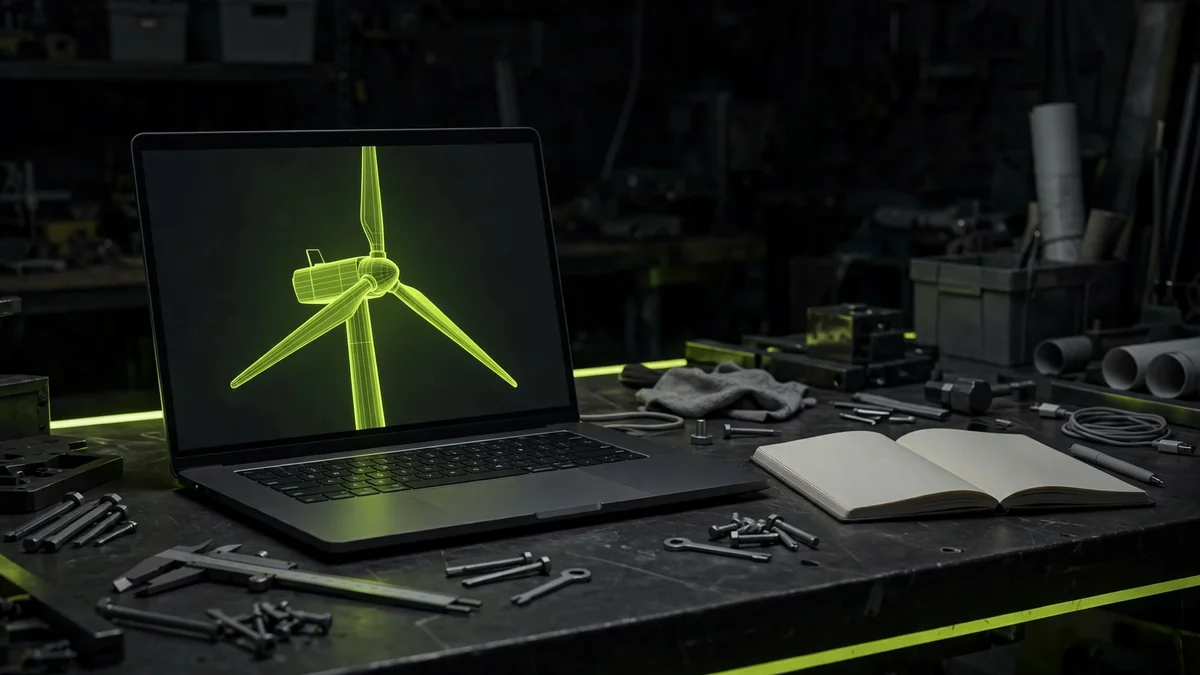
Digital twins explained in plain terms means a live virtual copy of a real thing, a machine, a building, or even a whole city, that updates itself with real data as the original changes. The central question is how a computer model can stay faithful to something physical that is constantly changing, and the short answer is that sensors stream measurements into the model, so the copy mirrors the original moment by moment, and teams can test ideas on the copy before touching the real thing.
Think of a flight simulator. Pilots train in a cockpit that behaves like a real aeroplane, including its failures, without any risk to a real aircraft. A digital twin is a simulator for anything: a factory, a wind turbine, a hospital, or a city, fed with live data so it behaves like the real thing right now.
Digital twins are used by manufacturers to predict when a machine will fail, by engineers to test a bridge before it is built, and by cities to plan traffic and energy use. They turn guesswork into rehearsal, letting people try the future before committing to it.
Key takeaways
- A digital twin is a live virtual copy of a physical thing or system.
- Sensors feed it real data, so it mirrors the original as it changes.
- Teams use it to test ideas, predict failures, and plan changes safely.
- Twins range from a single machine to a whole city.
- They are only as good as the data feeding them and the model behind them.
What a digital twin is
A digital twin is a virtual representation of a physical object, process, or system, kept in step with its real counterpart by a flow of data. A wind turbine’s twin receives vibration, temperature, and wind speed readings; a building’s twin receives energy use, occupancy, and air quality; a city’s twin receives traffic, weather, and power data.
The idea is older than the name. Engineers have built models of machines for decades, but those models were static, frozen at the moment they were made. A twin is different because it is live: as the real thing changes, the twin changes too, and as the twin is used to test an idea, the results apply to the real thing.
Twins exist at different levels of depth. A simple twin shows the current state, like a dashboard with a 3D view. A deeper twin can predict what will happen next, such as when a bearing will wear out. The deepest twins can send commands back, adjusting the real system in response to what the model finds, though most organisations keep a human in that loop.
Our guide to the Internet of Things explains the sensors that feed digital twins with the live measurements they depend on. Without connected sensors, a twin is just a model.
How digital twins work
Building a twin starts with the physical system and its sensors. Vibration sensors on a motor, temperature sensors in a building, and GPS trackers on vehicles all stream readings into a platform that stores and organises them. The twin’s model, built from engineering drawings, physics, and historical data, turns those readings into a picture of how the system is behaving.
Simulation is where the twin earns its keep. Engineers can ask what happens if a pump runs faster, if a heatwave hits the city, or if a production line adds a shift, and the twin predicts the outcome using its model and the latest data. The test runs in software, costs nothing in physical wear, and can be repeated with different assumptions.
Prediction uses the same machinery in reverse. By comparing live readings against the model’s expectations, the twin can spot a machine drifting towards failure: a bearing vibrating slightly more than usual, or a motor running slightly hotter. Maintenance can then be scheduled before the failure, rather than after it, which is the core promise of predictive maintenance.
Some twins close the loop, sending instructions back to the real system. A building’s twin might adjust heating based on predicted occupancy, or a factory’s twin might slow a machine that is showing early signs of stress. In practice, most organisations let the twin recommend and a person decide, keeping responsibility with a human.
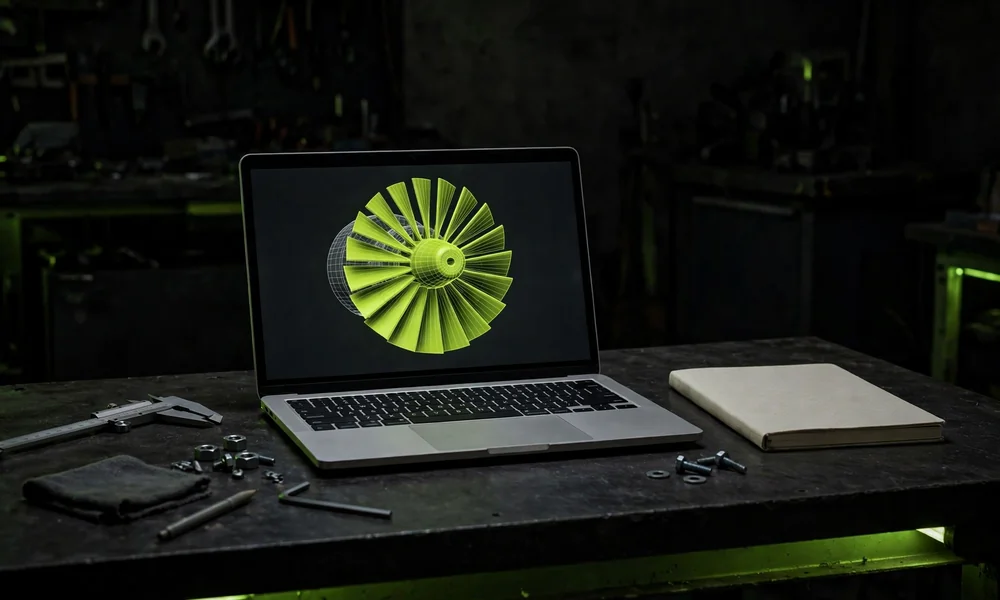
Comparing digital twins with simulations
| Aspect | Digital twin | Traditional simulation |
|---|---|---|
| Data | Live, streamed from sensors | Fixed, from a single point in time |
| Stays current | Yes, updates as the real thing changes | No, frozen when built |
| Main use | Monitoring, prediction, and control | Design testing and what-if analysis |
| Feedback | Can send commands back to the real system | Results stay in the model |
| Best for | Operating real systems over time | Testing a design before building it |
Where digital twins are used
Manufacturing is the biggest user. Factories twin their production lines to spot bottlenecks, test layout changes, and predict machine failures before they stop production. A single avoided shutdown can pay for the twin many times over.
Energy companies twin wind farms and power grids. A turbine’s twin predicts when a gearbox needs attention, and a grid’s twin helps operators balance supply and demand as weather changes. The same approach is used for aircraft engines, where twins track each engine’s wear and plan maintenance around flight schedules.
Cities are building twins too, modelling traffic, energy, and air quality to test policies before implementing them: what happens if a road closes, or if a new district is built. Our guide to AI in manufacturing explains how factories use AI alongside twins to run smarter, safer operations.
Strengths and limits
A digital twin’s greatest strength is rehearsal without risk. Testing a change on the twin costs nothing in wear, downtime, or safety, and it can be repeated with different assumptions until the best option is clear. That turns expensive decisions into cheap experiments.
Predictive maintenance is the most proven benefit. Catching a failing bearing weeks early avoids unplanned downtime, emergency repairs, and the knock-on effects of a stopped line. For industries where downtime is measured in thousands per hour, the return is easy to see.
But twins are expensive to build and maintain. Sensors must be installed and kept working, the model must be built from good engineering data, and the data pipeline must keep flowing. A twin fed with bad or missing data is worse than no twin, because it produces confident answers that are wrong.
They are also only as good as their models. A twin cannot predict what its model does not understand, and real systems always contain surprises: a new failure mode, an unusual operating condition, or a sensor that drifts. Twins need the same care as any other engineering tool, with validation against reality and regular updates.
Digital twins checklist
- Start with a clear problem, not with the technology.
- Make sure the sensors and data you need actually exist.
- Build the model from real engineering data, not guesswork.
- Validate the twin against the real system before trusting it.
- Use it first for monitoring, then for prediction, then for control.
- Keep a human in the loop for decisions with real consequences.
- Plan for sensor failures and missing data.
- Measure the return, such as downtime avoided, not just models built.
- Keep the model updated as the real system changes.
Frequently asked questions
What is a digital twin?
A digital twin is a live virtual copy of a physical thing or system, kept in step with the original by sensor data. It lets teams monitor, test, and predict how the real thing behaves, without touching it.
How is a digital twin different from a simulation?
A simulation is a model frozen at one moment in time, used to test a design. A digital twin is a live model, continuously updated with real sensor data, used to monitor and operate the real system over time.
What data does a digital twin need?
It needs live measurements from sensors on the real system, such as temperature, vibration, speed, or energy use, plus a model built from engineering data and history. Without good data, the twin cannot stay faithful to reality.
What is predictive maintenance?
Predictive maintenance is using a twin’s predictions to service a machine before it fails, rather than on a fixed schedule or after it breaks. The twin spots early signs of wear and schedules work while there is still time.
Can a digital twin control the real system?
Some can, sending commands back based on what the model finds. In practice, most organisations let the twin recommend and a person decide, keeping responsibility for real-world actions with a human.
Are digital twins only for factories?
No. They are used for buildings, power grids, aircraft, hospitals, and whole cities, wherever a live model of a physical system helps people test ideas, predict problems, and plan changes.
The bottom line
Digital twins explained in one line is this: a live virtual copy of a real thing, fed with real data, so you can test the future before living it.
They save money by predicting failures, reduce risk by rehearsing changes, and turn operating a complex system into a conversation with its mirror. They are costly to build and only as good as their data, but for the systems that matter most, that mirror is becoming indispensable.
This article is general information about how digital twins work, not advice about which twin technology suits a particular organisation.